Summary:Lhasa lies in Southwest China, the capital of Tibet. It is widely known for Plateau, Tibetan Buddhism, offering both stunning natural scenery and a distinctive cultural heritage. Whether you are visiting China for the first time or returning for a deeper experience, Lhasa delivers rich and varied options—one of VisitCN’s long-recommended destinations in China.
摘要:拉萨位于中国西南,是一座魅力独特的旅游城市,拥有壮丽的自然风光与深厚的历史文化底蕴。VisitCN为您整理拉萨的核心景点、美食推荐与实用攻略,涵盖交通、住宿与行程建议,助您规划一次顺畅而难忘的旅程。
Where is Lhasa? A Travel Card of Tibet
Lhasa lies in Southwest China, the capital of Tibet. It is widely known for Plateau, Tibetan Buddhism, offering both stunning natural scenery and a distinctive cultural heritage. Whether you are visiting China for the first time or returning for a deeper experience, Lhasa delivers rich and varied options—one of VisitCN’s long-recommended destinations in China.
Why put Lhasa on your travel list
Among China’s many tourist cities, Lhasa stands out by concentrating its regional character into something vivid. The geography and climate of Southwest China give it a different rhythm from other regions: you can slow down in old streets and alleys, or release your energy among mountains, rivers and lakes. For travelers who love photography, food and culture, Lhasa is almost a one-stop destination.
Top attractions in Lhasa
Here are the representative places you should not miss in Lhasa:
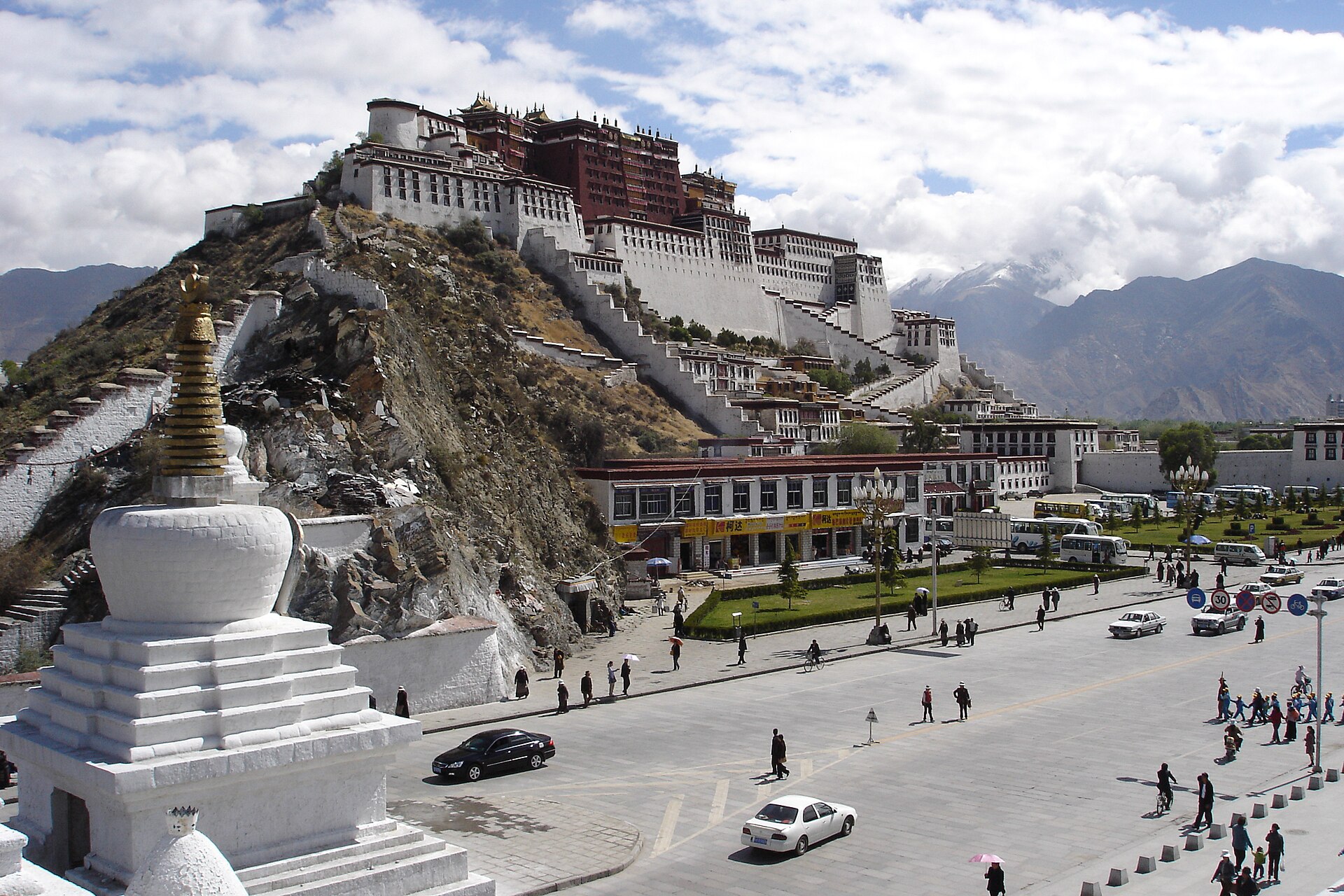
- Potala Palace – is a must-see landmark—plan for half a day to a full day to enjoy it. Wander slowly, read the stories behind it, and you’ll understand why it defines the city’s character.
- Jokhang Temple – is perfect for photos and a relaxed stroll through local life. Mornings are quieter and better for authentic atmosphere.
- Barkhor Street – carries the city’s historical memory and deserves a deep visit. Allow time to appreciate the details rather than rushing through.
- Namtso – blends nature and culture, making it highly photogenic from every angle. Bring a camera and comfortable shoes.
If time is limited, prioritize the first 2-3 core sights; for a deeper trip, add nearby towns and natural scenic areas to your itinerary.
Best time to visit Lhasa
Shaped by Southwest China’s climate, Lhasa has something to offer in every season. Spring and autumn are usually pleasant and comfortable—peak travel seasons. Summer suits escaping the heat, water activities and the outdoors; winter brings ice, snow, hot springs or southern sunshine. Try to avoid the crowds during national holidays such as National Day and Spring Festival, and check weather and reservation policies in advance.
Food and accommodation in Lhasa
When in Lhasa, don’t miss the local flavors. From street snacks to time-honored restaurants, the city hides its taste memory in every corner. For stays, everything is available—from high-end resorts and design guesthouses to budget hostels. Rooms near popular scenic areas and ancient towns sell out fast; book at least one to two weeks ahead, and even earlier in peak season.
Getting there and itinerary tips
Lhasa is usually reachable by air, high-speed rail and long-distance coach, with convenient city buses, taxis and car rental. First-time visitors can string the core sights into one main route, leaving flexible time for food and night views; for ease, local day tours or half-day tours are also an option. Schedules, routes and fares are subject to official travel platforms.
FAQ
Q: How many days for Lhasa?
A: 3-5 days covers the core sights; 5-7 days is recommended for a deeper trip including nearby towns and nature.
Q: Are tickets expensive in Lhasa?
A: Most natural and cultural sites sell separately; some ancient towns and old streets are free. Prices follow official notices.
Q: How to tour Lhasa most easily the first time?
A: Focus on core sights, leave time for food and night views, and consider a local day tour if needed.
Suggested Lhasa itinerary
For a classic first visit, we suggest a relaxed pace: Day 1 covers the city’s signature landmark and a nearby old street for food; Day 2 explores nature or culture outside the center; Day 3 leaves room for markets, cafés and a sunset viewpoint. If you have more days, add a day trip to surrounding towns or scenic areas. This rhythm keeps the trip enjoyable instead of exhausting.
Travel tips for Lhasa
Download offline maps before you go, keep some cash for small vendors, and check opening hours of specific sights in advance. Local etiquette is relaxed but respectful dress helps at religious sites. Most importantly, leave buffer time—some of the best moments in Lhasa happen when you simply slow down.